Eastern Thought - Learning Modern Living from Ancient Wisdom
The teachings left by Eastern philosophers provide universal guidance for dealing with the complex problems of modern society.
What is Eastern Thought
Eastern thought is a general term for philosophies and thought systems that developed in Asian regions such as China, India, and Japan. There are diverse streams including Confucianism, Taoism, Buddhism, and Zen, each deeply contemplating human nature, social structure, and harmony with nature.
While Western philosophy emphasizes logical analysis and scientific inquiry, Eastern thought values intuitive understanding and holistic harmony. Concepts like "non-action," "the middle way," and "emptiness" can serve as prescriptions for the competitive fatigue and stress modern people experience.
The Value of Eastern Thought in Modern Times
Interest in Eastern thought is growing worldwide as globalization progresses. Reasons include:
- The search for spiritual fulfillment that cannot be satisfied by material wealth alone
- The effectiveness of harmony-with-nature thinking for environmental problems
- Reevaluation of the concept of "harmony" in organizational management
- Scientific recognition of the effects of Zen practices like mindfulness
Recommended Books
We introduce books providing perspectives from introduction to practice for learning Eastern thought. Through these books, you can find ways to apply ancient wisdom to modern life.
The Strongest Introduction to Philosophy: Eastern Philosophers
An introductory book that provides a panoramic view of the thoughts of great Eastern philosophers from ancient India to Japanese Zen in one volume. It explains Eastern philosophy, which tends to be abstruse, in a surprisingly accessible way with the author's unique narrative style. By understanding the core messages of thinkers such as Buddha, Confucius, Laozi, and Zhuangzi, you can gain an opportunity to fundamentally reconsider your own way of living.

Teachings of Lao Tzu: Living as You Are
A book that explains Laozi's teachings in an accessible way for modern business professionals and general readers. It introduces Laozi's core concepts like 'non-action and naturalness' and 'the highest good is like water' in a form that can be practiced in daily life. You can learn specific thinking methods to heal minds exhausted by competitive society and regain your authentic self.

Modern Translation: The Analects and the Abacus
A modern translation of the management philosophy that balances morality and economics, taught by Eiichi Shibusawa, called the father of Japanese capitalism. It specifically explains how Shibusawa, who was involved in establishing about 500 companies during the Meiji era, applied the teachings of the Analects to business. It provides clear guidance for today's business professionals struggling to balance profit pursuit and social contribution.

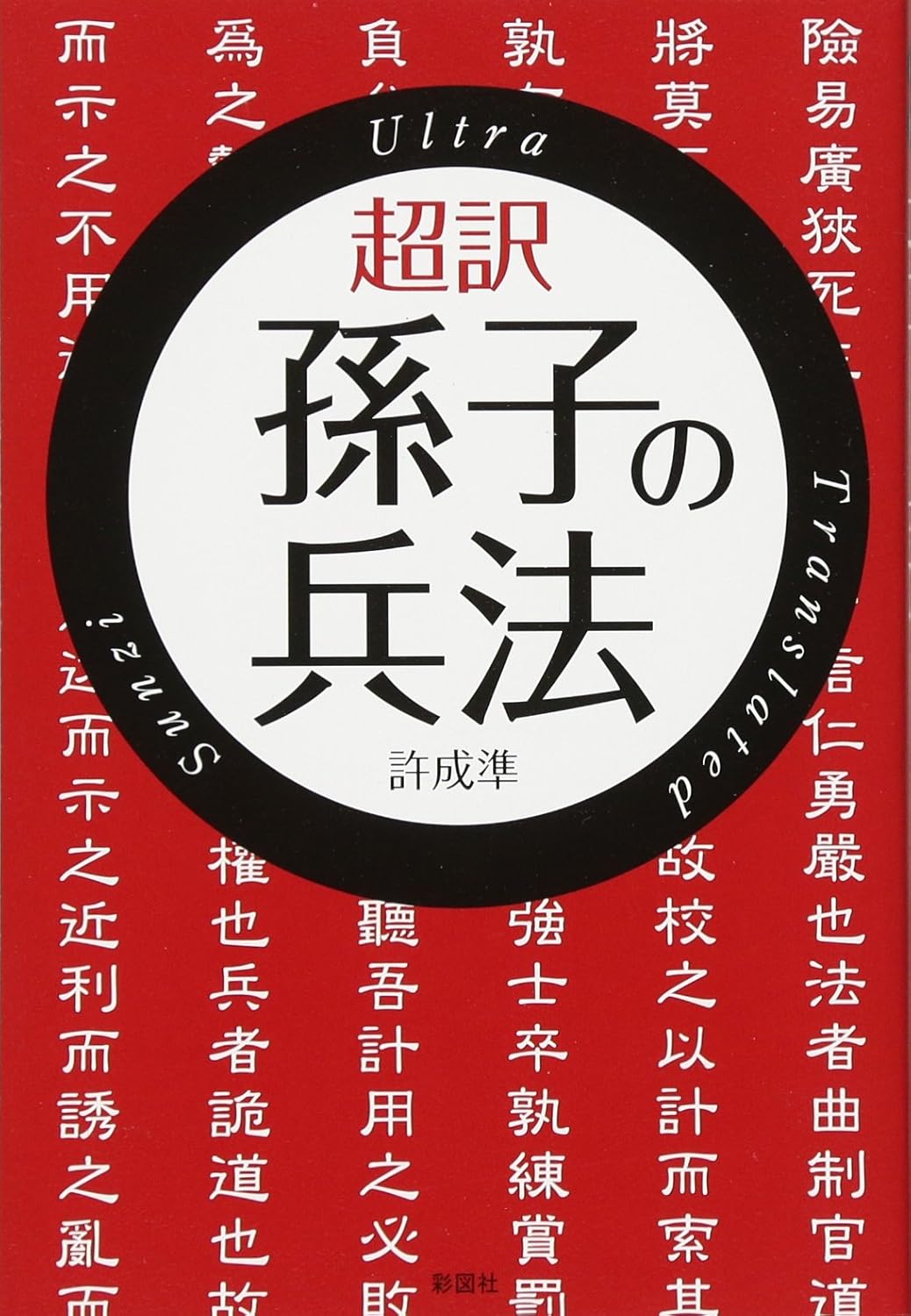
Super Translation: The Art of War
A book that liberally translates the wisdom of a military strategy book written 2,500 years ago into a form applicable to modern business and interpersonal relationships. The strategic theory taught by Sun Tzu still provides effective principles for competitive and negotiation situations today. You can understand the true meaning of famous sayings like 'The supreme art of war is to subdue the enemy without fighting' and 'Know yourself and know your enemy, and you will never be defeated,' and apply them to various everyday situations.
Summary
Eastern thought is not merely a legacy of the past. In rapidly changing modern society, it provides practical wisdom for examining yourself, building relationships with others, and facing difficulties. Use these books as starting points to touch the wisdom that has been passed down for over two thousand years.